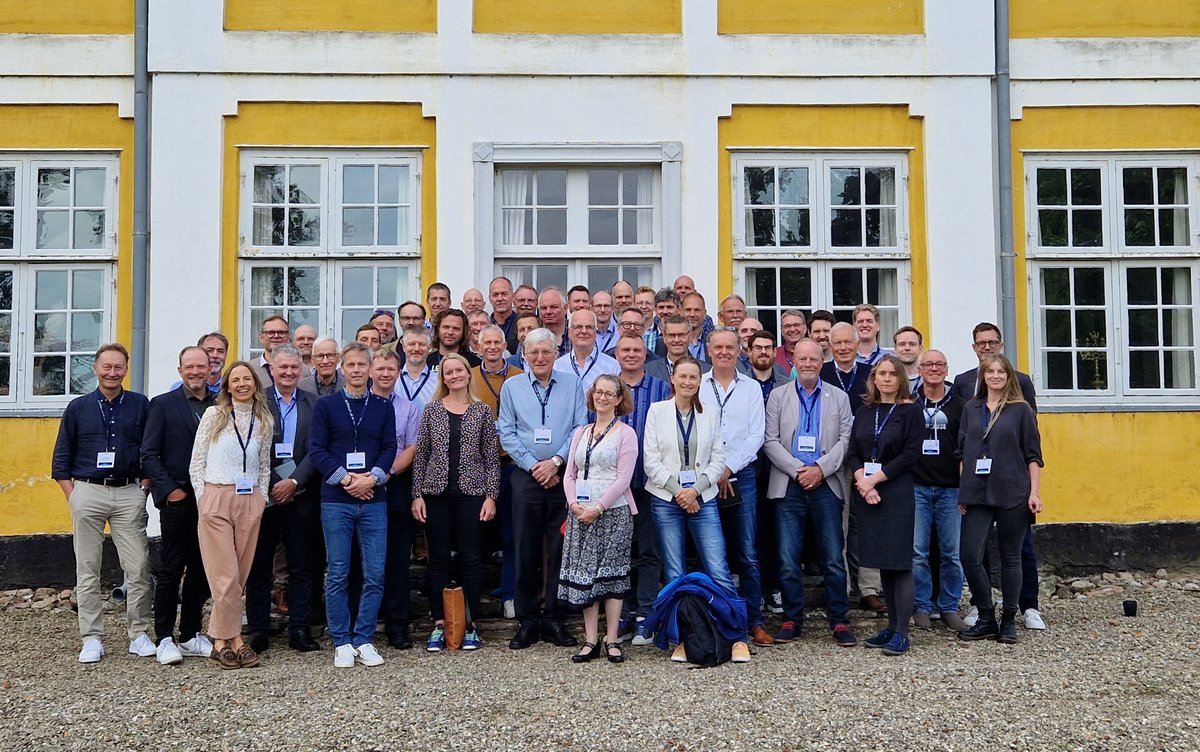
National space missions can take many forms — from developing new hardware and building international partnerships, to applying existing technologies or space data in innovative ways. What matters most is the impact missions create for science, technology, industry, and society.
Looking back at the success of Denmark’s first satellite, Ørsted, the workshop explored how future missions could again strengthen skills, foster collaboration, and inspire the next generation.
The programme combined plenary sessions with rotating group sessions. Each participant joined a new group in every session, meeting a wide range of colleagues from across the sector. Facilitators guided the discussions to ensure diverse perspectives were included and documented for the report
The programme was shaped by a sector-wide survey conducted in the summer, with over 130 responses. Together with the ministry’s call, this input pointed to four central themes, which formed the backbone of the sessions:
Programme goals — defining the overall ambition
Key technologies & innovation — building capacity and enabling innovation
Collaboration — strengthening national and international partnerships
Governance & funding — exploring models for governance, selection, and financing
These discussions provided the fundamental material for the final report to the Danish ministry — the foundation for Denmark’s future national space-mission programme.
